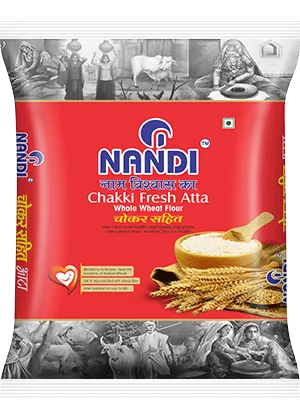
When you pick up a packet of atta or besan from the shelf, you will see an FSSAI logo on every single one. That is the baseline requirement to sell food in India. But there is a much higher standard that very few Indian food companies achieve: FSSC 22000. Nandi is one of them.
FSSAI vs FSSC 22000: The Difference
FSSAI (Food Safety and Standards Authority of India) is the national regulatory body. An FSSAI license means you meet India's minimum legal requirements for food safety. Think of it as a driving license: it allows you to operate, but it does not measure how well you drive.
FSSC 22000, on the other hand, is a global food safety management system recognised by the GFSI (Global Food Safety Initiative). It is based on ISO 22000 with additional requirements. Companies exporting to Europe, the US, or Japan typically need this level of certification.
What FSSC 22000 Requires
- Documented hazard analysis for every production step (HACCP principles)
- Prerequisite programmes covering hygiene, pest control, allergen management
- Traceability systems that can track any product back to its raw material source
- Management review and continuous improvement processes
- Regular internal audits and third-party surveillance audits
- Employee training and competency verification
Why Most Companies Do Not Have It
FSSC 22000 certification is expensive and demanding. It requires significant investment in infrastructure, training, documentation, and ongoing compliance. The audit process is rigorous, conducted by accredited international bodies. For a packaged food company based in UP, getting FSSC 22000 is a deliberate choice to exceed what the law requires.
What This Means for You
When you buy a Nandi product, the FSSC 22000 certification means every batch has been produced under globally benchmarked food safety controls. The wheat in your atta is traceable to its source. The production environment meets international hygiene standards. And the system is continuously monitored and improved.
It is not just a logo on the pack. It is a commitment that affects every decision from procurement to production to packaging.