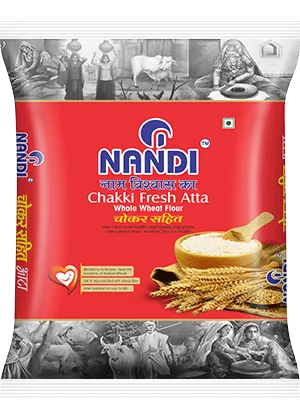
Fresh-milled atta has a shelf life, and how you store it makes all the difference between rotis that taste fresh and flour that has gone stale. Here are practical, tested tips that work in Indian kitchens and climates.
The Basics of Flour Storage
Wheat flour contains natural oils from the wheat germ. These oils are what give fresh atta its distinctive aroma and nutritional value. But they also oxidise over time, especially in heat and humidity. The goal of proper storage is to slow down this oxidation.
Airtight Containers Are Non-Negotiable
Transfer atta from the packet to a clean, dry, airtight container immediately after opening. Steel dabbas with tight-fitting lids work well. Plastic containers are fine if they are food-grade and seal properly. The key is keeping air and moisture out.
Temperature Matters
- Store in a cool, dry place away from the stove and direct sunlight
- In summer (above 35 C), consider refrigerating atta. It extends freshness significantly.
- In monsoon season, always check for moisture before use. Flour absorbs humidity quickly.
- Never store near strong-smelling items (spices, onions). Flour absorbs odours.
Monsoon Special Tips
UP's monsoon season is particularly challenging for flour storage. Humidity levels can cross 80%, which is the perfect condition for both spoilage and pest infestation. During July-September:
- Buy smaller quantities more frequently instead of bulk storage
- Place a few neem leaves inside the container. Traditional pest deterrent that works.
- Check for any signs of weevils (small brown insects) or webbing before use
- If you see clumping, the flour has absorbed moisture. Spread it out in sunlight for 30 minutes.
How Long Does Atta Last?
Whole wheat atta (like Nandi Choker Sahit Aata): 1-2 months at room temperature, 3-4 months refrigerated. Maida and sooji last longer (3-4 months at room temperature) because they have less oil content. Besan is similar to whole wheat atta in terms of shelf life. Always check the manufacturing date and best-before date on the pack.
Signs Your Atta Has Gone Bad
- Sour or rancid smell (instead of the normal mild wheat aroma)
- Visible insects, webs, or dark spots
- Clumping that does not break apart easily
- Taste is bitter instead of mildly sweet
When in doubt, trust your nose. Fresh atta should smell clean and faintly sweet.