Indian cooking is not about using a lot of spices. It is about using the right spices in the right combinations. A great Indian cook knows that cumin and coriander are best friends, that turmeric needs black pepper to activate its benefits, and that hing should never go into cold oil. Here is a practical guide to Indian spice pairing that will transform your everyday cooking.
The Foundation Trio: Turmeric + Red Chilli + Coriander
This is the base of almost every North Indian vegetable dish. Nandi Turmeric provides colour and earthiness, Nandi Red Chilli brings heat and vibrancy, and Nandi Coriander Powder adds a sweet, citrusy warmth that ties everything together. This trio in a 1:0.5:1 ratio (coriander equal to turmeric, chilli half of that) gives you a balanced sabji masala base.
The Tadka Science: Oil Temperature Matters
Tadka (tempering) is where whole spices release their essential oils into hot fat. But each spice has its ideal temperature:
- Mustard seeds: Need very hot oil. They should splutter within 2-3 seconds. If they take longer, the oil is not hot enough.
- Cumin seeds: Slightly lower temperature than mustard. They should sizzle and darken to golden-brown in 5-6 seconds.
- Curry leaves: Add immediately after mustard seeds. The spluttering oil releases their aroma instantly.
- Hing (asafoetida): Add to hot ghee/oil just for 2-3 seconds. It burns very quickly and becomes bitter.
- Dry red chillies: Add along with cumin. They darken quickly, so keep them moving.
The golden rule: whole spices go into hot oil, ground spices go into the wet mixture (after onion-tomato is cooked). Reversing this ruins both.
Classic Spice Pairings for Everyday Cooking
For Dal
Cumin + hing + garlic + dry red chilli in ghee. This is the classic dal tadka combination. Nandi Hing adds a depth of flavour that nothing else can replicate. The garlic-hing combination is particularly magical as both contain sulphur compounds that create an umami-like richness.
For Sabji (Dry Vegetables)
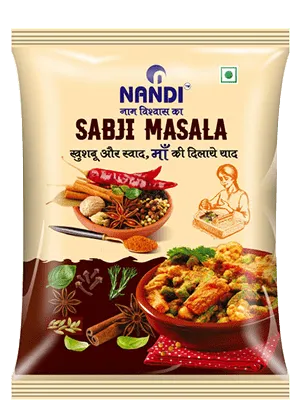
Cumin seeds + turmeric + red chilli + coriander powder + garam masala at the end. Or simply use Nandi Sabji Masala, which is a traditional Sil-Batta (stone-ground) blend that already combines these spices in the right proportions. Adding garam masala at the very end (after turning off the heat) preserves its volatile aromatic oils.
For Rice and Biryani
Whole spices only: bay leaf + cinnamon stick + green cardamom + cloves + star anise. These are added to the cooking water and infuse the rice gently. Do not use ground spices in plain rice, as they colour the grains unevenly.
For Raita and Chutneys
Roasted cumin powder + black salt + a pinch of red chilli. The roasting transforms cumin's flavour from sharp to smoky-sweet. Black salt (kala namak) adds a distinctive sulphury tang that is essential in raita.
Spice Combinations to Avoid
- Too much hing: More than a pinch overwhelms everything. A tiny amount goes a long way.
- Cinnamon in everyday sabji: Cinnamon is for rice dishes, desserts, and special gravies. In a simple aloo-gobhi, it feels out of place.
- Cloves in dal: Cloves are strong and numbing. They work in rice and meat dishes, not in everyday dal.
- Ground spices in very hot oil: They burn in seconds and taste bitter. Always add ground spices to the wet base.
The Turmeric + Black Pepper Rule
Curcumin (the active compound in turmeric) has poor bioavailability on its own. Studies show that piperine (from black pepper) increases curcumin absorption by up to 2000%. This is why traditional Indian recipes almost always combine turmeric with black pepper. Your grandmother's haldi doodh recipe with a pinch of black pepper was scientifically ahead of its time.
How to Store Spices for Maximum Freshness
Even the best spice combinations will not work if your spices have lost their potency. Ground spices lose flavour within 6-8 months. Keep them in airtight containers away from heat and sunlight. Read our detailed guide on how to store spices and keep your masalas fresh.
The difference between a good Indian cook and a great one is not the number of spices they use. It is knowing which spices go together, when to add them, and how much to use. Start with the foundation trio, master your tadka technique, and the rest follows naturally.